
Meywalk & Miniwalk Gait Trainers
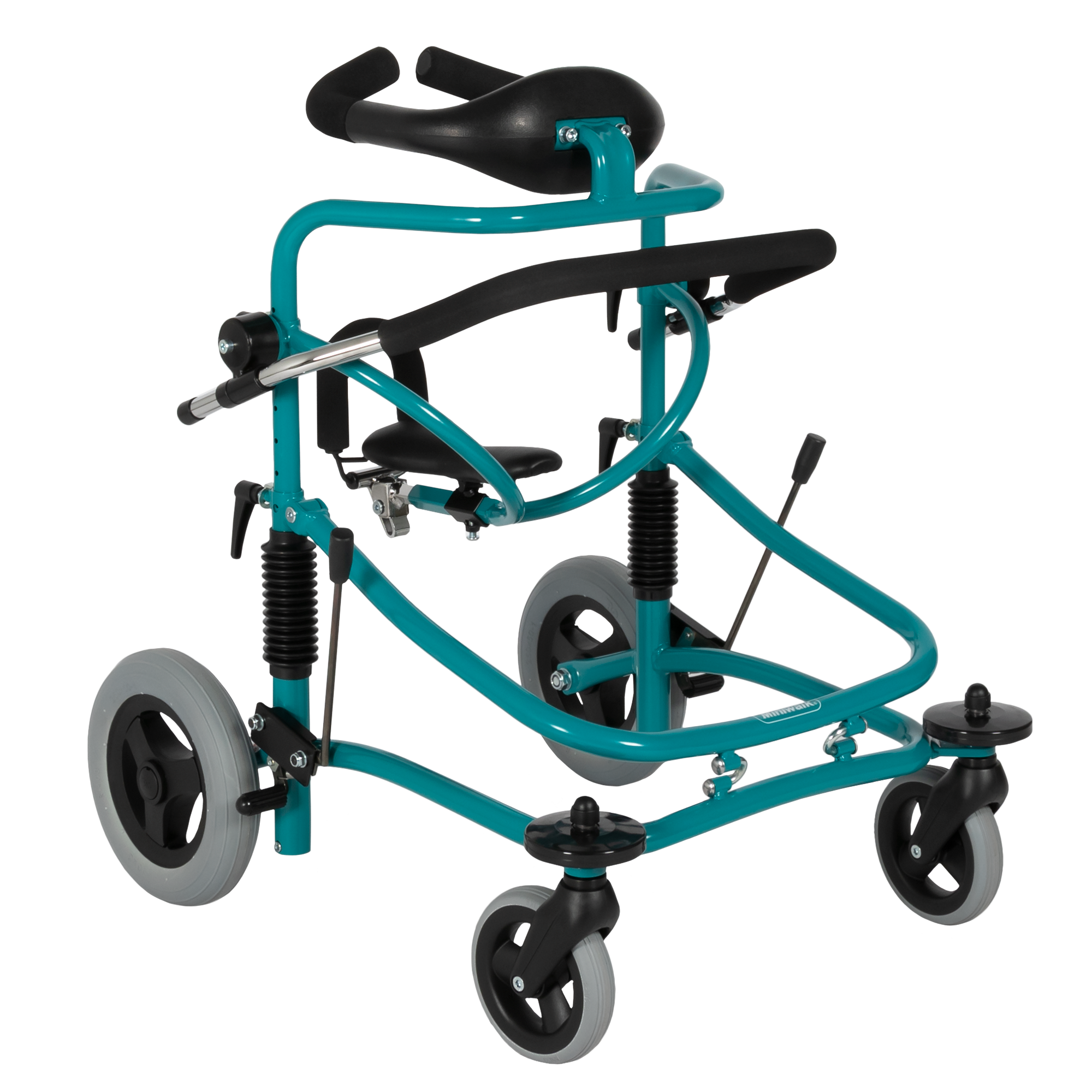
Miniwalk I
- Easy No Tool Adjustment
- Assistive Lift for Swing Through
- Postural Adjustment
- Simple Design
- Ages 1 1/2 to 4 years
- For Indoor and Outdoor Use
 Meywalk Mini I Order Form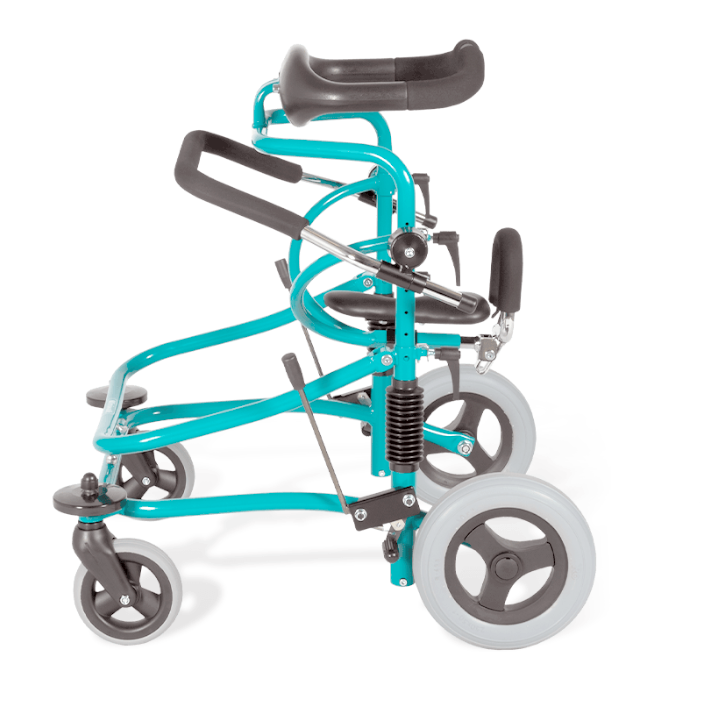
Miniwalk II
- For Indoor and Outdoor Use
- Durable frame finish
- Soft no flat tires
- Easily adjustable
- Ages 4 - 7 years
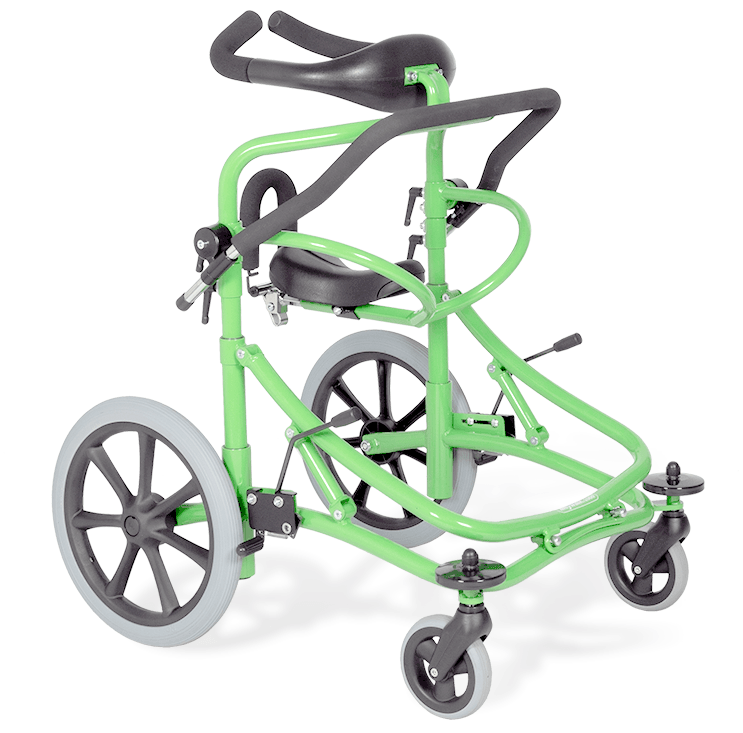
Meywalk Small
- For ages 7 - 11
- Full accessory availability
- Easy to adjust
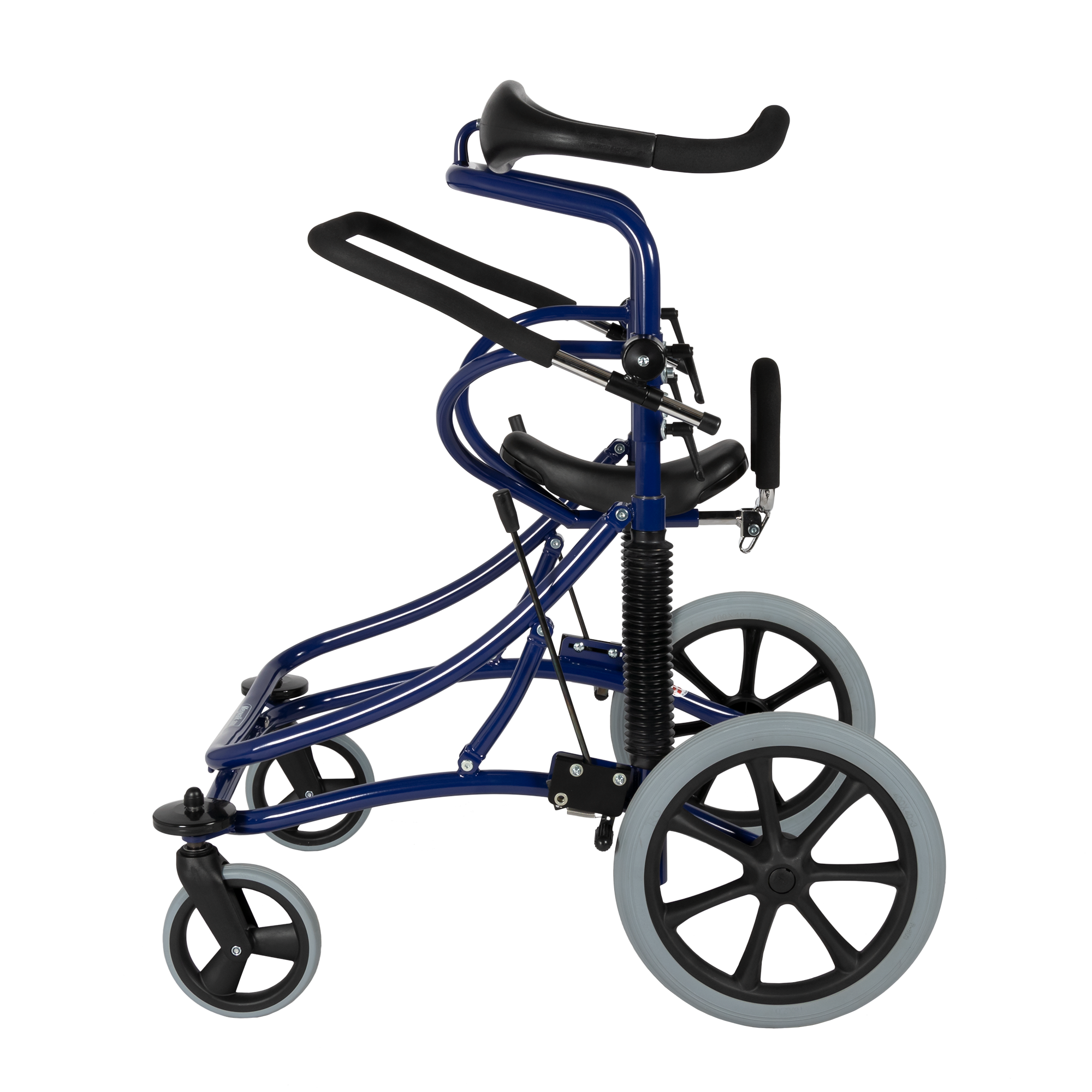
Meywalk Medium Gait Trainer
- Promotes natural gait
- Quick easy adjustment
- Easy to use
- Ages 12 - 14 Years
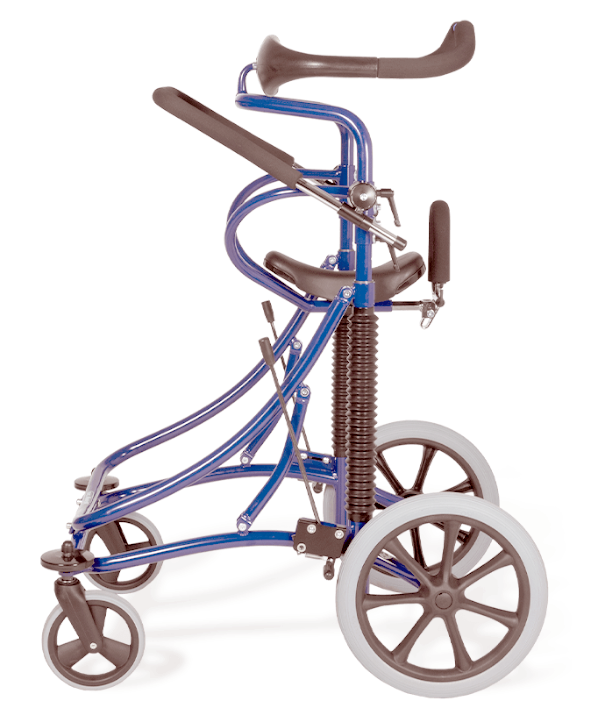
Meywalk Large Gait Trainer
- Easy Adjustments
- All Steel Construction
- Soft No Flat Tires and Casters
- Ages 14 to adult
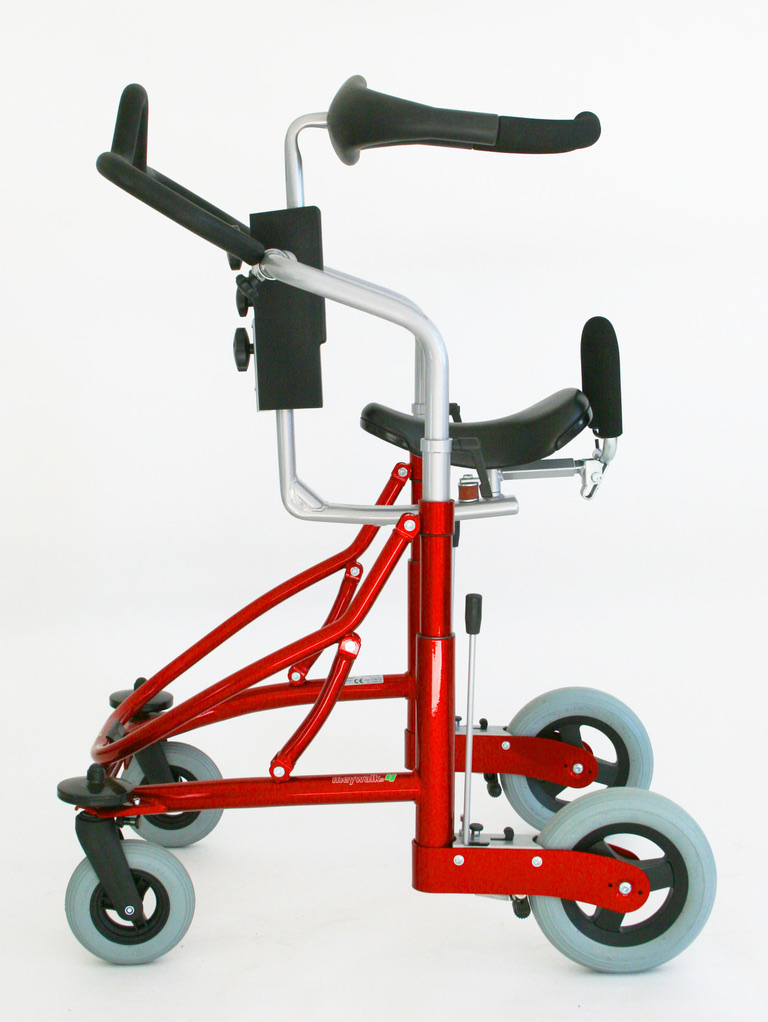
MK4 Gait Trainer - Medium
- Tool free adjustment
- Dynamic spring action
- 285lb capacity